Captive Orcas Conservation: Deconstructing the Zoo Umbrella
Over the past decades, the respectability of zoological parks has been tied to core principles that somehow seem enough to justify keeping wildlife in captivity. Those pillars are research, education, and conservation. In a world that defers to scientific expertise and evidence-based data, those words sound legitimate and wise. They are rarely questioned, perhaps because they provide a comfortable intellectual cushion, helping to reconcile the genuine awe of encountering extraordinary animals up close with our collective need to believe we are doing right by them.
However, zoological institutions must be critically evaluated based on their actual commitment to scientific missions, accreditations, and distinct approaches to animal welfare, rather than all being painted with the same brush. For example, in European collections, only 29% of animals are part of EAZA breeding programmes, whereas 50% of the collections are listed as Least Concern by the International Union for Conservation of Nature (IUCN). Therefore, it is time to apply specific scrutiny to zoo collections rather than allowing every facility to hide under a generic conservation banner.
1. Ex-Situ Management for Species
The IUCN is the highest authority in charge of global biodiversity. It audits taxa and classifies them on the IUCN Red List based on their risk of extinction. It has also created species specialist groups and species survival committees that study these animals in depth to establish plans for their preservation.
According to their standards, ex-situ (outside of the natural range of a species) conservation must follow strict criteria:
- Evidence-based assessment (demonstrate that the species is endangered and identifying the threats)
- Strategic role identification (including education, research, and population management like breeding programmes, genetic safeguarding, and translocations)
- Comprehensive plan design
- Resource and feasibility assessment
- Transparent decision-making
Ex-situ conservation is not a buzzword to be thrown around lightly; it is a serious, highly complex discipline. Just plainly stating that any captive species contributes to global conservation efforts is inept. And as demonstrated below, in the case of orcas, it is simply ludicrous.
Conservation
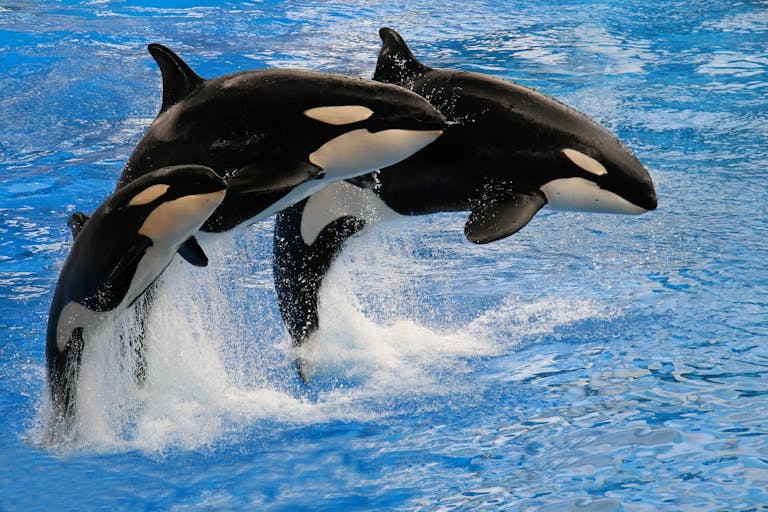
Of the approximately 3,700 cetaceans currently held in captivity worldwide, the vast majority are common bottlenose dolphins and their Indo-Pacific counterparts, which together account for 87% of all captive dolphins. These are followed by belugas at 9%, and orcas, with just 54 specimens remaining globally at the time of publishing.
Cross-referencing these figures with the IUCN Red List reveals a classic misconception that the industry rarely advertises: the common bottlenose dolphin and the beluga are both listed as Least Concern, and the orca is currently recognised as Data Deficient at the species level. The three species that represent the near-totality of the captive cetacean industry are simply not the ones that need saving.
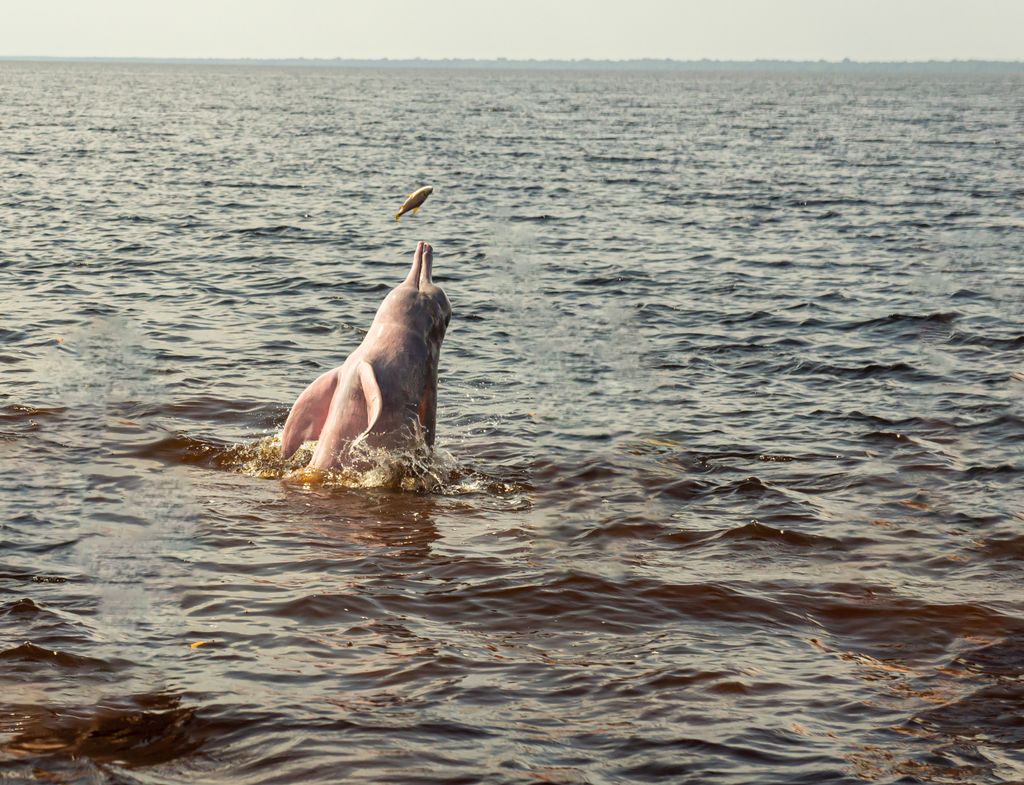
The cetacean species that genuinely require intervention are coastal and riverine animals whose survival depends entirely on eliminating local threats. The vaquita, the Atlantic humpback dolphin, and the river dolphins of South Asia (all critically endangered with fewer than a few hundred individuals left in the wild) are threatened by gill-net entanglement, pollution, and land development leading to habitat destruction. These species are highly adapted to specific local ecosystems, and their survival does not rely on ex-situ breeding. Furthermore, for several of these fragile species, the IUCN explicitly advises against captivity on the grounds that the capture process itself causes stress-related mortality and contributes to the further depletion of wild populations.
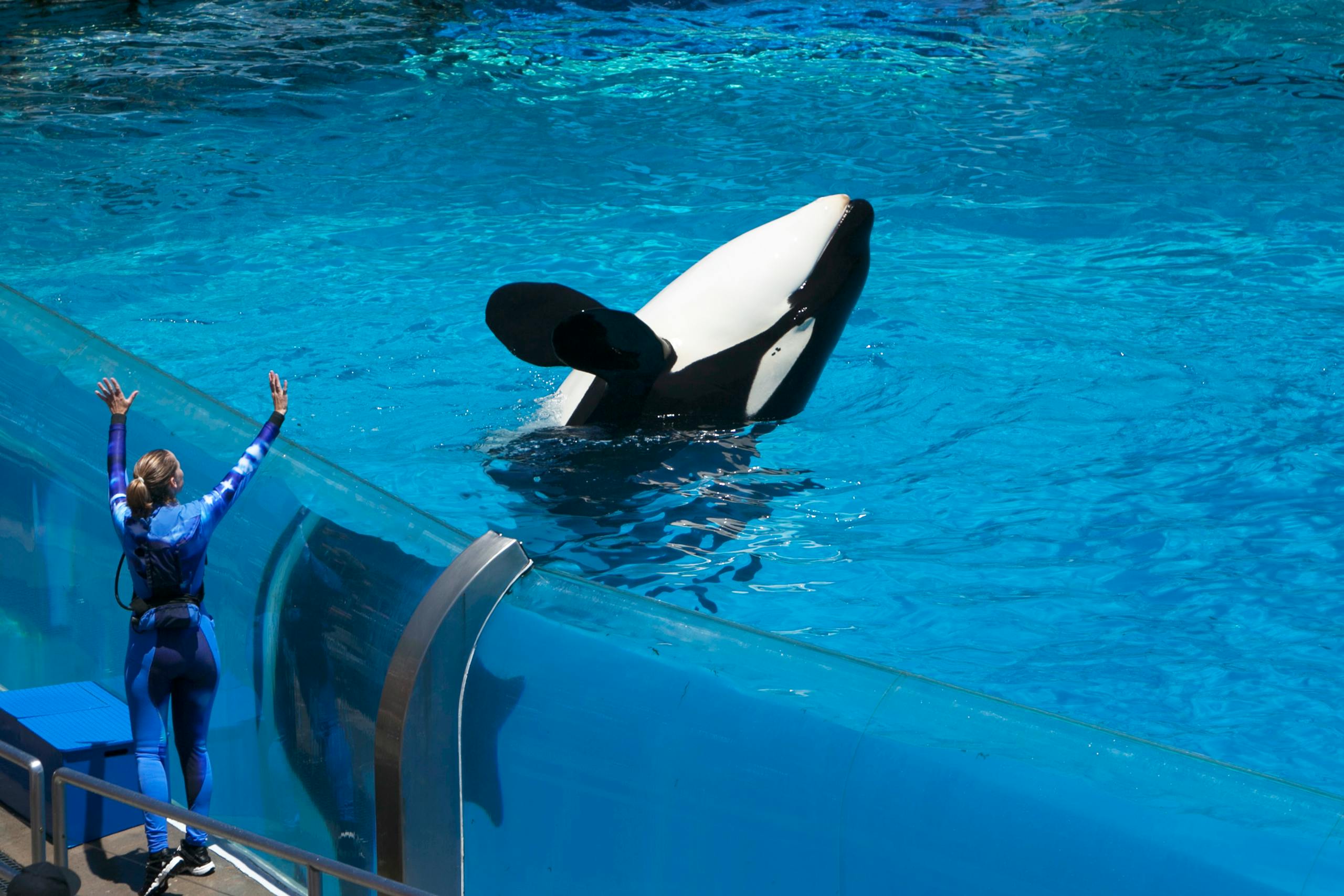
In the case of orcas, even under the hypothetical scenario that they would one day require ex-situ conservation intervention, the existing captive population holds zero value for that purpose. Decades of mixing distinct ecotypes that would never naturally interbreed in the wild, compounded by severe inbreeding, has produced a gene pool that is a genetic dead end, not a conservation asset. No captive-bred hybrid of Atlantic and Pacific ecotypes could ever be reintroduced into a wild population. The studbooks designed to safeguard genetic diversity have instead merely documented the progressive narrowing of an already compromised gene pool.
Research
The research argument is perhaps the most controversial of the three pillars. While traditional zoological institutions have produced valuable science that deserves acknowledgement, cetacean facilities have had a limited but valuable contribution towards the elaboration of safe rescue and rehabilitation protocols. Beyond this specific application, the data generated poorly translates in-situ.
Firstly, a captive population is rarely a valid proxy for its wild counterparts. Their physiology, behaviour, social structures, and immune systems are so profoundly different in captivity that conclusions drawn from them cannot reliably translate to the wild. Instead, the bulk of what is published by these facilities concerns husbandry, behavioural management, and reproductive intervention, in other words, research that exists solely to sustain animals in artificial conditions that do not occur in nature.
Meanwhile, the emergence of in-situ technologies has transformed what is possible in the field. Drone surveys, acoustic tagging, satellite tracking, and environmental DNA (eDNA) analysis now allow researchers to study cetacean behaviour, health, and communication within wild populations directly. This includes the dozens of threatened species that will never be held in captivity, and whose conservation depends entirely on field science.
Education
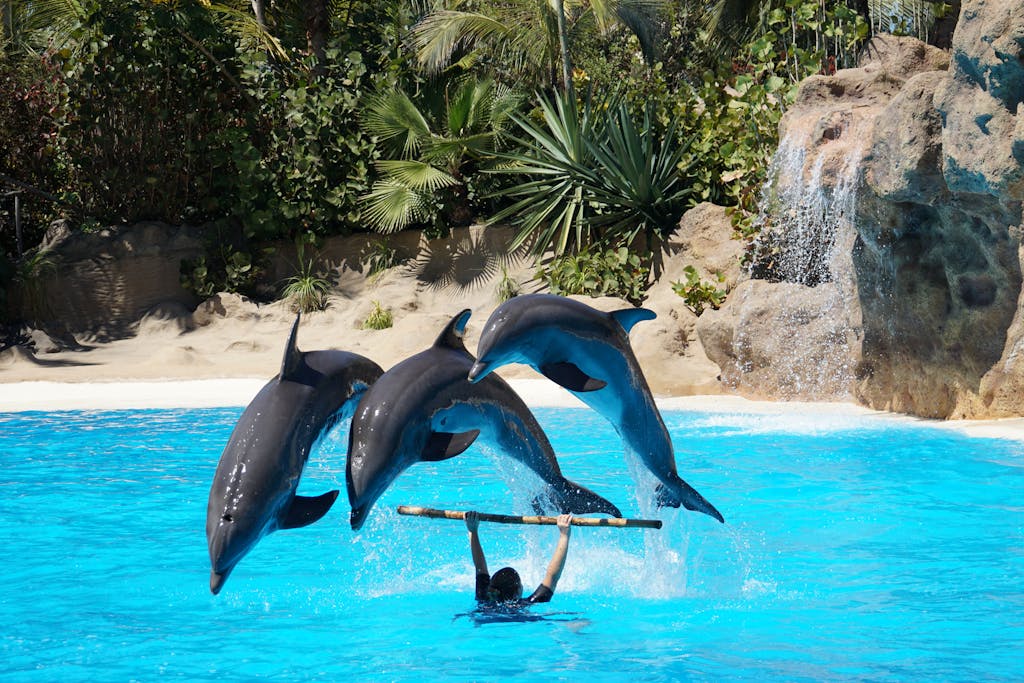
While the industry claims that displaying these animals inspires public education, the core of the cetacean model remains rooted in commercial performance. Forcing a highly intelligent, socially complex apex predator to perform synchronised tricks for food rewards is circus entertainment, not education. Worse, it reduces a sentient being to an entertaining commodity, actively detracting from a true understanding of the species’ natural complexity and perpetuating a dominating, speciesist relationship.
Unsurprisingly, several independent studies have repeatedly shown that these stadium shows produce no lasting change in public conservation habits. They can cause cognitive confusion, but they fail to deliver any lasting impact on behavioural habits or environmental literacy.
2. Ethical Considerations
The conservation argument ultimately rests on an implicit ethical trade-off: that the suffering of individual animals is acceptable if it serves the survival of the species. That trade-off has a legitimate philosophical basis, and in genuine conservation emergencies, it deserves serious consideration. (Follow here to learn more about the welfare of captive orcas)
As Minteer and Collins (2013) identified, two frameworks pull in opposite directions: one is centred on the individual and prioritises the welfare and lived experience of the animal, while the other is centred on the species and is prepared to accept individual suffering in service of broader conservation goals. The sacrifice of the few to save the many can therefore only hold true under three strict conditions:
- The species must actually need saving.
- The captive population must genuinely contribute to that goal.
- The suffering experienced must be proportionate to the benefit achieved.
In the case of captive orcas, none of these three conditions are met. The ethical equation simply does not balance.
3. Environmental Considerations
Carbon Footprint
The environmental cost of captivity is rarely quantified and even more rarely acknowledged by the industry. No marine park has ever published a transparent carbon audit of its cetacean facilities. Water treatment, filtration, pumping, temperature and chemical regulation, and waste management to maintain millions of litres of artificial seawater around the clock represent a sustained industrial energy demand. This massive footprint sits entirely outside the green conservation narrative these institutions project.
Even as many facilities attempt to transition to greener practices, renewable energy does not fully resolve the issue. The manufacturing, supply chain, and storage infrastructure behind solar and wind energy carry their own emissions, and a continuous baseline consumption of this scale is non-negligible. The carbon cost remains heavy, yet it has never been publicly weighed against the conservation benefits it supposedly serves.
Unsustainable Fishing
Possibly the most ironic aspect of all is the feeding of captive cetaceans from unsustainable fish sources that directly harm wild populations. A court-ordered expert report on the Marineland facilities in 2024 identified the specific commercial suppliers providing feed for the captive animals: Frigomar Sea Food for Atlantic mackerel, Pelagia for herring, Dipromer for sardines, and Frigobotania for chub mackerel (Follow here for the full story of Marineland).
These industrial, problematic fisheries cause severe biomass depletion in the North Atlantic (currently operating entirely outside of MSC certifications) and deplete local food security for coastal human populations in Northwest Africa. But perhaps the craziest part is that they are knowingly responsible for the bycatch of wild dolphins and fin whales, the very species these parks advocate to protect and educate on within their own walls.
Beyond the harmful practice, it is also an environmental vicious circle: the massive fish extraction reduces prey availability for wild cetacean populations, and the resulting bycatch directly lowers wild whale numbers. Fewer whales means a severe reduction in the ocean’s natural carbon-sinking capacity, also known as blue carbon. This aspect has been largely overlooked in the debate over cetacean captivity, but it might be the most compelling argument of all, as it directly damages the entire oceanic ecosystem that the practice claims to protect.
Zoo or No Zoo: The Case for Systemic Reform
One of the most complex aspects of the cetacean captivity debate is how many of these facilities have now been integrated to operate under the wider umbrella of traditional, multi-species zoos. By aligning themselves with the recognised conservation efforts, scientific data collected on other species, and official accreditations of mainstream zoological institutions, commercial marine shows inherit an unearned layer of legitimacy. The public and regulatory bodies often view the entire facility through a single lens, assuming that because a zoo participates in legitimate field-work for birds or reptiles, the whale shows must serve an equally vital purpose.
This structural loophole highlights an urgent need for systemic zoological reform. Rather than granting blanket approval to an entire institution, accreditation bodies should instead evaluate collections on a strict, species-specific basis, holding every single exhibit to the same rigorous standard.
Modern ethics dictate that we must look honestly at large, wide-ranging, socially complex mammals whose spatial and behavioural needs cannot be met in confined spaces. When a species’ welfare is inherently compromised by the restrictions of captivity, and where the tangible conservation value or field-work contribution is virtually non-existent, it has no place in a progressive collection.
If zoological institutions want to keep claiming a meaningful contribution to conservation, it is time for true reform. This means separating commercial entertainment from genuine conservation, focusing more on endangered species rather than extensive collections of charismatic animals that exist purely to drive visitor numbers, and ensuring that the reputation of the wider zoological community is no longer used to justify the display of animals for human amusement.
References
IUCN SSC Cetacean Specialist Group. Red List Status of Cetaceans [Internet]. Updated October 2025 [cited 2026]. Available from: https://iucn-csg.org/red-list-status-of-cetaceans/
Brichieri-Colombi TA, Lloyd NA, McPherson JM, Moehrenschlager A. Limited contributions of released animals from zoos to North American conservation translocations. Conserv Biol. 2019;33(6):1280-1290. doi: 10.1111/cobi.13387.
Learning Outcomes Measured in Zoo and Aquarium Conservation Education: A Review of Peer-Reviewed Literature (2011–2020). Journal of Environmental Education. 2021
Minteer BA, Collins JP. Ecological ethics in captivity: balancing values and responsibilities in zoo and aquarium research under rapid global change. ILAR J. 2013;54(1):41-51. doi: 10.1093/ilar/ilt032.
King SL, Allen SJ, Krützen M, Connor RC. Rise of the machines: integrating technology with playback experiments to study cetacean social cognition in the wild. Methods Ecol Evol. 2023;14(7):1887-1903. doi: 10.1111/2041-210X.13935.
Cour d’appel d’Aix-en-Provence. Rapport d’expertise vétérinaire judiciaire: Marineland Antibes. RG 22-11225 [Internet]. Aix-en-Provence: Cour d’appel; 2025 [cited 2026]. Available from: https://one-voice.fr/app/uploads/2025/04/ONE-VOICE-MARINELAND-CA-AIX-EN-PROVENCE-RG-22-11225-070425-Rapport-final.pdf
Whale and Dolphin Conservation. The Cruellest Show on Earth: The state of whale and dolphin captivity in 2025 [Internet]. Chippenham: WDC; 2025 [cited 2026 Jun 9]. Available from: https://uk.whales.org/wp-content/uploads/sites/6/2025/11/whale-dolphin-captivity-report-2025-final.pdf
Marine Stewardship Council. Mackerel [Internet]. London: MSC; 2019 [cited 2026]. Available from: https://www.msc.org/what-you-can-do/eat-sustainable-seafood/fish-to-eat/mackerel